What it means for an assistant to know you best
Knowing you is not storing everything you said. It is a memory you can read, correct and delete, kept where you hold the keys. Here is how to test yours.
- memory
- personal assistant
- privacy
Pre-launch · chapter 2/5 · trust
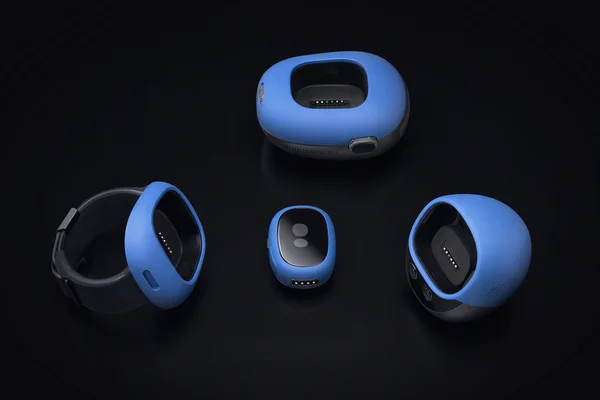
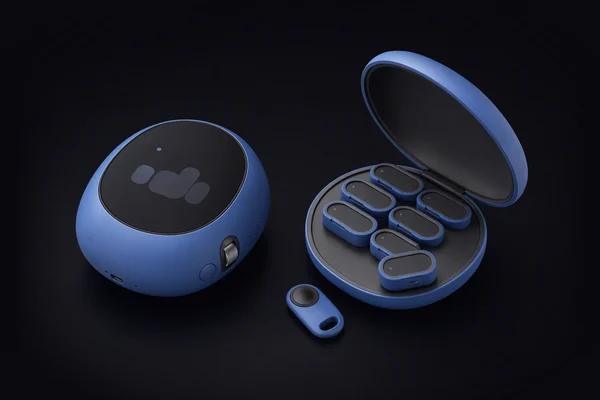
kyber bot --remember meKyberBot is the personal assistant that knows you best. Its memory is yours: kept on your own devices, encrypted, readable by nobody else. It lives in every KyberDeck form, from a card on a lanyard to a robot in the hallway, hands the heavy work to KyberAgent swarms, and asks you before anything sensitive.
Three reasons an assistant that knows you well is, today, hard to trust.
A rented assistant serves you and the company whose business is your data and your attention. When those two interests pull apart, you are not the one it was built to side with.
To know you, an assistant has to remember you. Today that memory sits in someone else's data centre, under their retention policy, one breach or one change of terms away from being somebody else's.
Either it is a chat window that can do nothing, or it is handed your accounts and acts on them with no moment where it stops to ask, and no record of what it did.
Three habits that make an assistant worth trusting with your day.
KyberBot builds its memory of you from what you choose to share: people, plans, preferences, the way you like things done. That memory lives on your devices and your home node, encrypted with keys you hold.
Before anything sensitive, such as money, a message in your name, someone else's details or a motion in the physical world, it stops and asks. What counts as sensitive is a policy you can read and change.
Work bigger than a conversation goes to a KyberAgent swarm, each agent in its own KyberCell. KyberBot writes the brief, keeps your memory out of their reach, checks what comes back and gives you the answer.
Each line is a promise about how KyberBot behaves, written the way we intend to document it.
| command | what it does |
|---|---|
| kyber memory show | Lists what KyberBot remembers about you, where each item is stored, when it learned it and why it kept it. |
| kyber forget | Removes a fact, a person or a whole week from what it knows, on every device you own. Forgetting is a command, not a support ticket. |
| kyber policy edit | Opens the rules for what KyberBot may do without asking: spend, send, share, move. Plain text, versioned, yours. |
| kyber delegate | Hands a task to a KyberAgent swarm with a brief, a budget and a deadline, and reports back with what was done and what it cost. |
| kyber log | Every action taken in your name: who asked, which rule allowed it, what happened. Readable without us. |
| kyber memory export | Writes the whole memory out in an open format, so leaving is a file copy rather than a negotiation. |
Illustrative: the commands describe behaviour. They are not a released CLI.
Trust here is not a feeling. Each of these is a property you will be able to inspect.
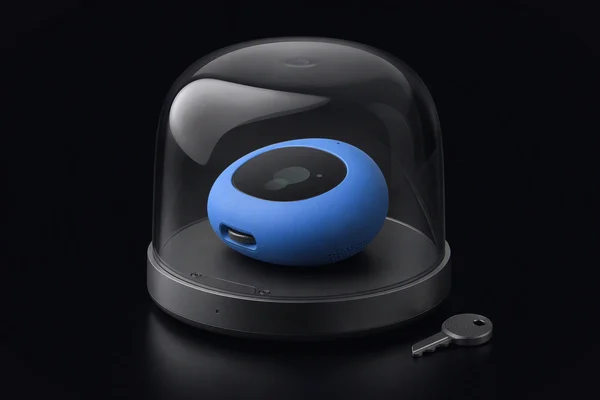
The memory is encrypted with keys that live on your hardware, such as a security key on your keyring. Without them it is noise, to us and to anyone else.
No advertiser, no data broker, no second customer behind the conversation. KyberBot answers to one identity, and it is yours.
Payments, messages in your name, other people's details and motion in the physical world wait for your yes. The list is a readable policy, not a mood.
KyberBot plans the work, hands it to KyberAgent swarms, chooses where it runs (on the device, on your node or in KyberFusion) and checks the result before you see it.
In a robot, KyberBot carries a declared safety envelope below the planner, a homeostat that pulls autonomy back when the world stops matching the map, and a record of every motion.
Open source is the intent for the assistant, the policy language and the record format. Every action carries who asked and which rule allowed it, so you audit your own assistant instead of taking its word.
The deck is where you touch the system; KyberBot is who you talk to. Everything behind it, the swarms, the system and the cloud, answers to it, and it answers to you.
kyber stack --from you
KyberBot is the step where trust is decided: what leaves your devices, which agent sees what, and what waits for your yes. Your data stays yours at every step.
An assistant that knows you best has to remember a lot. KyberBot keeps that memory on your own devices, the deck you carry and the node at home, encrypted with keys you hold, like a hardware security key on your keyring. It is designed so that we never hold a copy, which leaves us nothing to sell, leak or hand over.
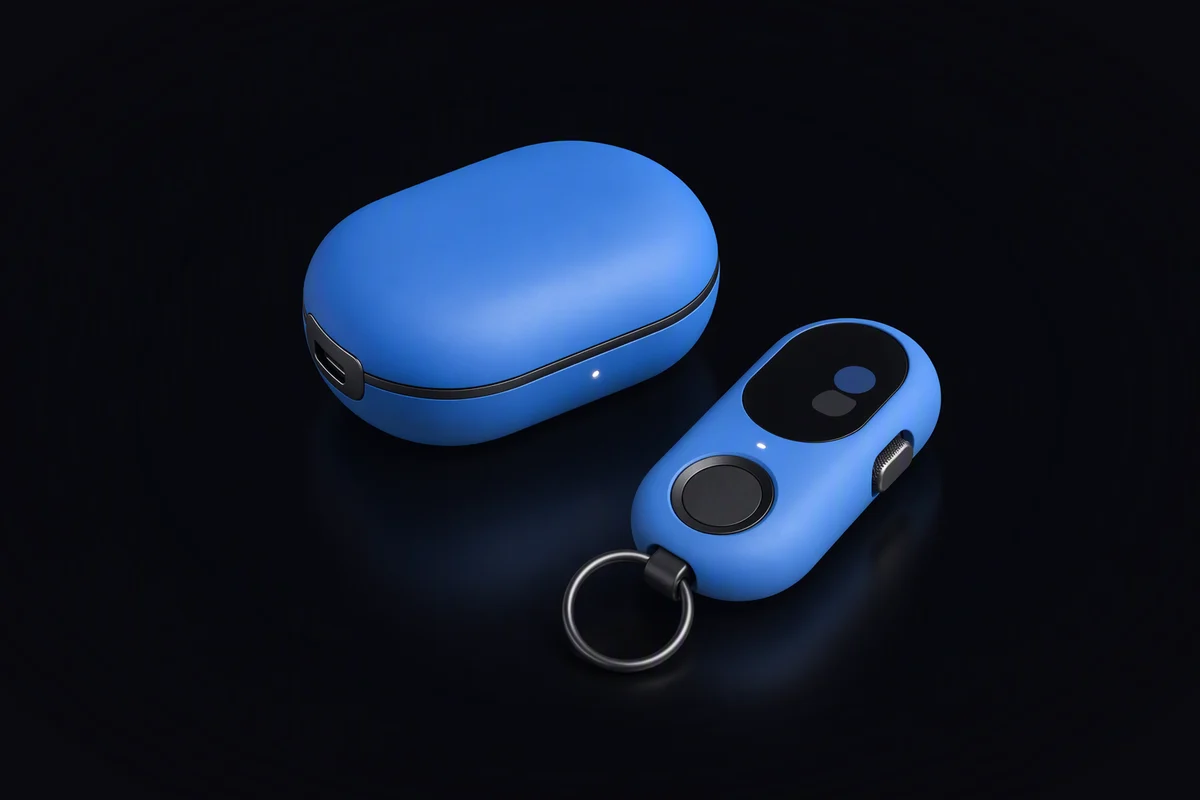
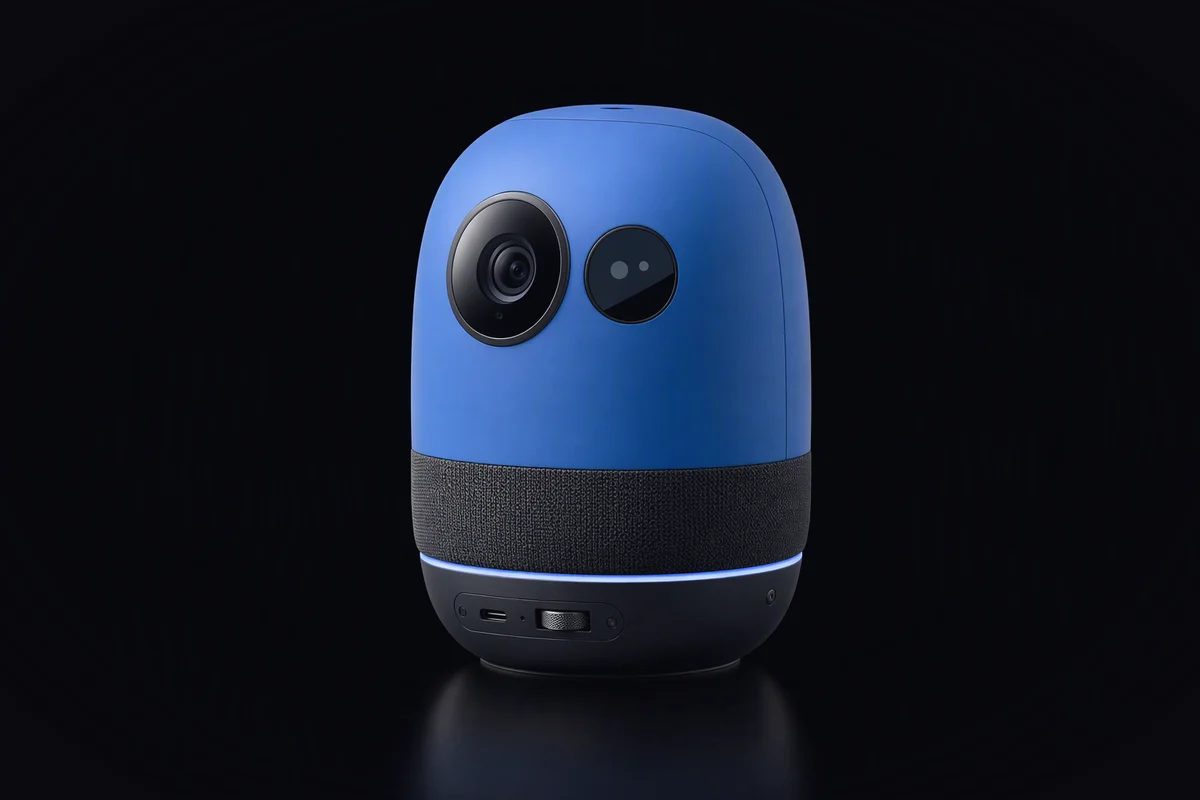
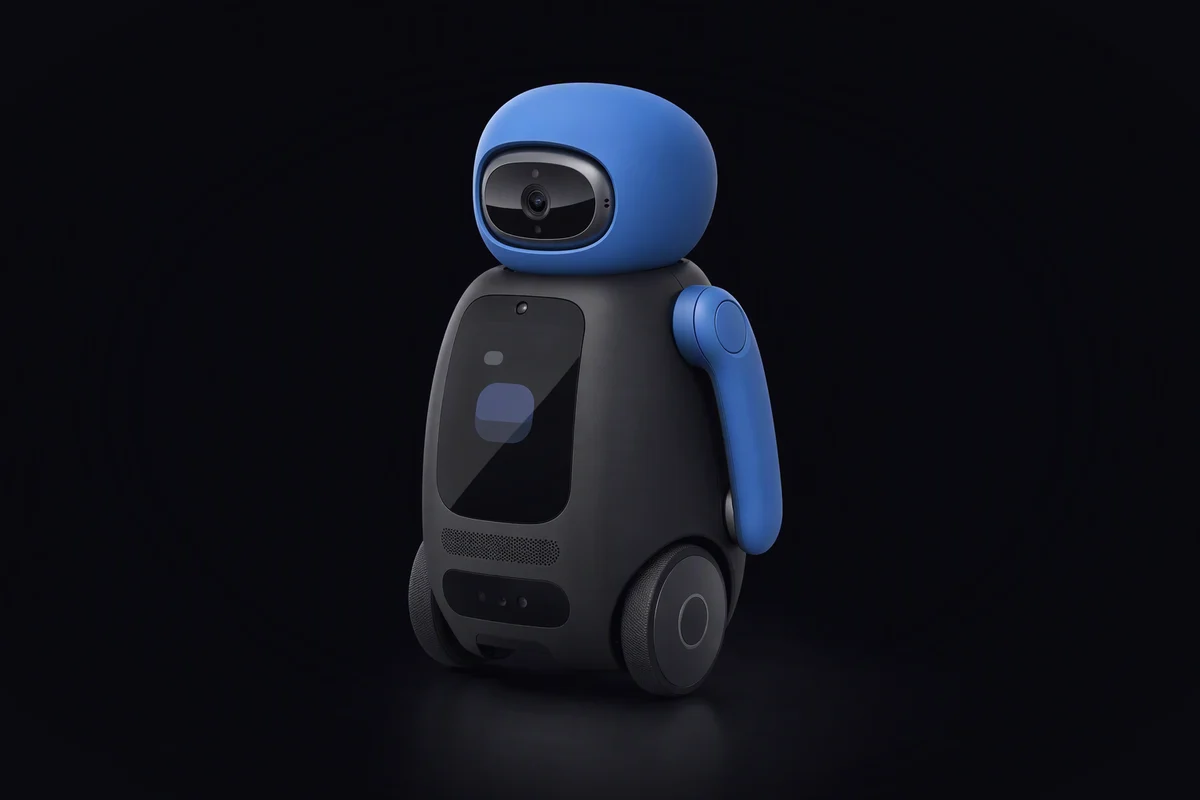
When KyberBot runs a robot, a wrong answer can become a wrong motion. So in a robot it carries the physical safety envelope: a harness that bounds what the machine may attempt, a homeostat that slows or stops it when the world stops matching the map, and a record of every motion it makes.
An assistant earns trust by saying plainly where it stops.
KyberBot is pre-launch. Anything else on this page would be a promise rather than a status.
The encrypted memory store, the policy language for what needs your yes, and the record format, on prototype KyberDeck hardware. In robots, the harness and policy layer on machines that actually move.
A small number of people living with KyberBot on a card, a pocket deck and a home node, and one robot class running the harness in observe-only mode first.
Source, the policy specification and the record format published together, so the assistant you are asked to trust can be read by people who do not have to take our word for it.
KyberBot is a personal SI assistant that knows you best, works only for you, keeps its memory encrypted on your own devices, and runs the rest of the Kyber system on your behalf, asking you before anything sensitive.
Super Intelligence, the name we use for the field as a whole. We use it because of what is coming, the most capable tool people have ever had, and because of who we think it should belong to: the people who use it, not the companies that rent it out.
Nowhere, by default. The memory stays on your devices, encrypted with your keys. When a task needs more power, KyberBot sends only what that task needs to a KyberAgent cell or a KyberFusion node built to keep it unlinked from you, and records that it did.
By default: spending money, sending anything in your name, sharing details about other people, signing you up for things and any motion in the physical world. You can tighten the list at any time; loosening it is a deliberate change that goes on the record.
Yes: the same identity and the same memory, with one addition. In a robot it carries a safety envelope (a harness below the planner, a homeostat and a record of every motion), and it sits above certified safety hardware, never instead of it.
KyberDeck is the body it lives in. KyberBot is the assistant you talk to and trust. KyberAgent is the swarm it hands work to, each agent in its own KyberCell. KyberLinux is the system underneath all of them, and KyberFusion is the sovereign cloud that lends power when your own devices are not enough.
Yes, through KYBERIOS, the branch of the Kyber stack for small businesses: every employee gets their own KyberBot at work, with the company's memory kept apart from their private one.
An assistant is useful in proportion to what it knows about you: your people, your plans, your habits, the things you would rather nobody knew. That is exactly why the assistants on offer today are hard to trust. They know you on behalf of someone else, and their memory of you is an asset on another company's books.
Ours is built the other way round. KyberBot remembers you on hardware you own, under keys you hold, and answers to one person. It says what it is about to do, stops before anything that matters, and keeps a record you can read. Trust is not a promise we make about it; it is a set of properties you can check.
An assistant that only talks is not much help, though. The work itself is done by many hands, each kept in its own cell, and that is the next chapter: the swarm.
Knowing you is not storing everything you said. It is a memory you can read, correct and delete, kept where you hold the keys. Here is how to test yours.
A card, a band, a pocket deck, a home node and a robot should not be five assistants. What changes between bodies, what must not, and how to tell which you have.
If the business behind an assistant is attention or data, the better it knows you, the more it is worth to someone else. Why KyberBot is built the other way round.
The waitlist goes live soon. Until then, the blog is where the assistant's rules get argued.
No form yet, no data collected — just come back.