What it means for an assistant to know you best
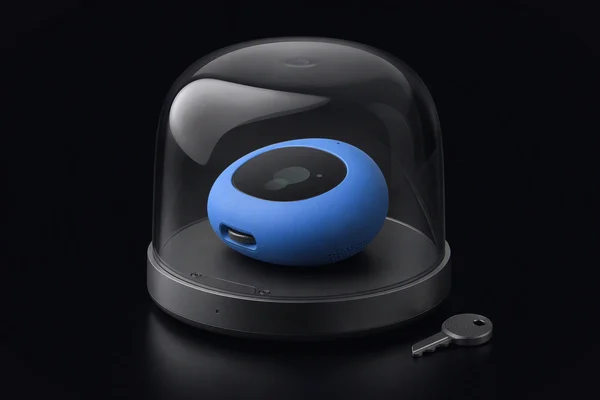
Knowing you is not storing everything you said. It is a memory you can read, correct and delete, kept where you hold the keys. Here is how to test yours.
- memory
- personal assistant
- privacy
Notes on building an assistant you can trust: what it means to know you, whose data it is, how it hands work to a swarm, and what changes when it runs a robot.
Knowing you is not storing everything you said. It is a memory you can read, correct and delete, kept where you hold the keys. Here is how to test yours.
The one that knows you and the ones that do the work should not be one process. How KyberBot plans, briefs, contains and checks a swarm, and asks you in between.
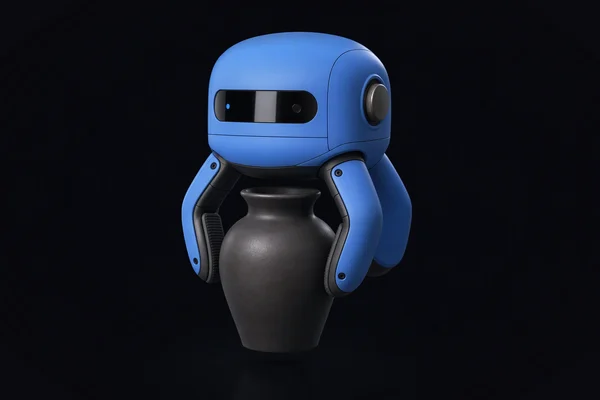
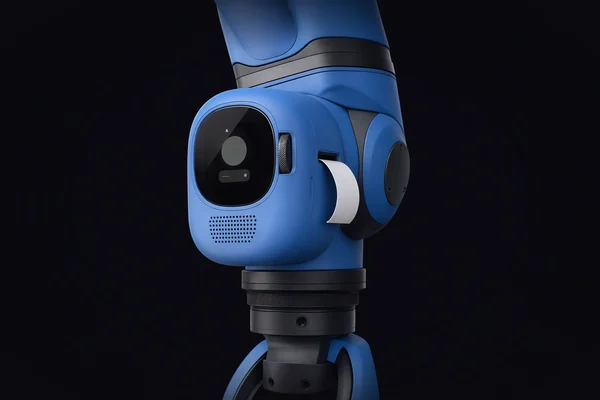
A misunderstood request on a phone is an awkward message. In a robot it is a broken vase, or worse. What changes when the assistant that knows you gets a body that moves.
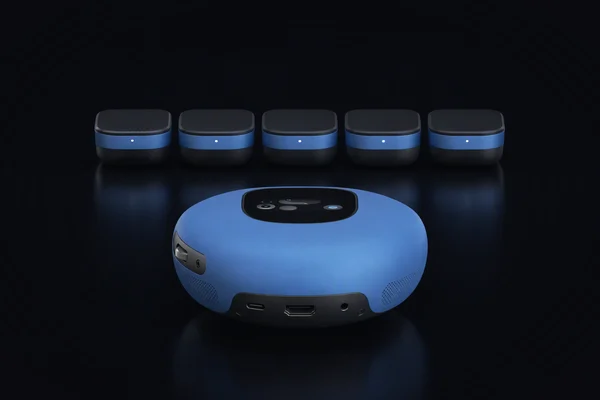
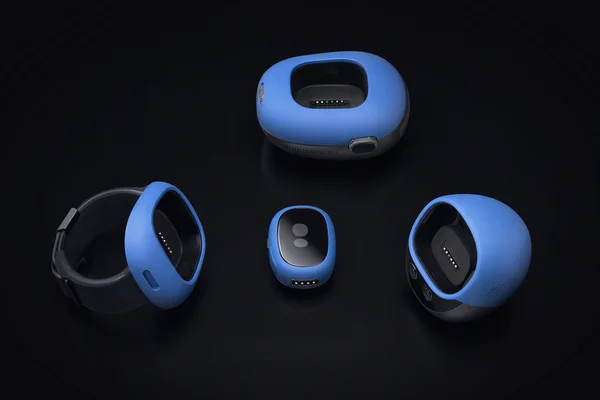
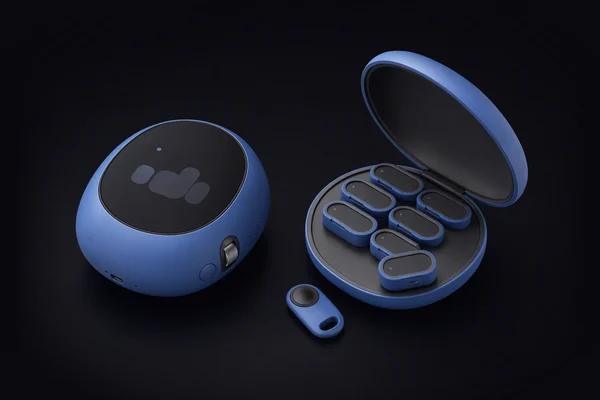
A card, a band, a pocket deck, a home node and a robot should not be five assistants. What changes between bodies, what must not, and how to tell which you have.
If the business behind an assistant is attention or data, the better it knows you, the more it is worth to someone else. Why KyberBot is built the other way round.
Everyone is building planners. The interesting layer is the one that tells a planner no — below intent, above the drivers, and unable to be argued with.
Robots do not fail on the cases you tested. What actually breaks between a benchmark and a warehouse at three in the morning, and what to do about it.
A machine that stops dead on every hiccup is useless; one that carries on unbounded is dangerous. Degraded autonomy is a design decision, not an error path.
The risk assessment is a document. The code does whatever it does. Nothing checks that the two still agree six months after commissioning — and that is the gap.
When a machine damages something, the useful question is not whose fault it was but what the robot believed at that moment. That answer has to be recorded, not inferred.